

Last updated on October 7, 2026
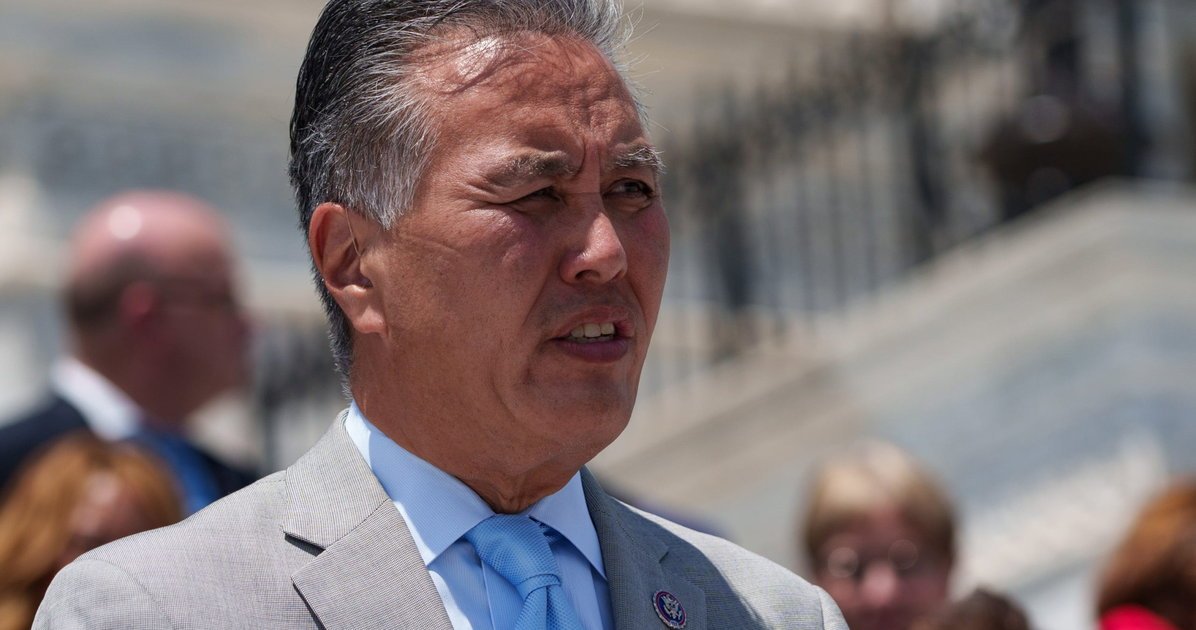
Democratic Congress members have demanded answers from Defense Secretary Pete Hegseth regarding the military’s failure to deliver promised separation pay to transgender service members discharged under President Trump’s ban on transgender soldiers. At least a dozen trans troops remain unpaid, with cases including an Army National Guardsman owed $130,000 and an Air Force major awaiting $340,000. The letter, signed by out trans congresswoman Sarah McBride and other LGBTQ+ lawmakers, blasts the administration for not only removing trans personnel from the armed forces but subjecting them to what they call constant indignities, including language from Trump’s January 2025 executive order characterizing trans individuals as selfish, dishonorable, and unfit for service.
The separation pay crisis exposes a breakdown in military bureaucracy with real human consequences. Chloe Shapiro, a Texas National Guard member discharged February 1, has made 100 phone calls to military officials, contacted her senator and representative, filed inspector general complaints, and exhausted her contacts seeking answers about her $66,000 owed payment. Without her separation funds, Shapiro has become homeless and now relies on Medicaid, food stamps, and emergency housing assistance. The letter demands that Hegseth provide all Defense Department communications about trans separation pay by October 14 and explain the processing timelines for both trans and non-trans service members.
The Democratic lawmakers emphasize that while they strongly oppose the underlying transgender military ban, which the House recently rejected on a bipartisan vote, discharged service members deserve timely payment for their service. The letter urges expedited handling of these cases, framing the delayed payments as both a broken promise and a matter of basic fairness to those who sacrificed for their country.
Watch for Hegseth’s response by mid-October and any potential court challenges to the transgender military ban itself, as these developments could reshape how the military handles both personnel policy and financial obligations to discharged service members.
Be First to Comment