

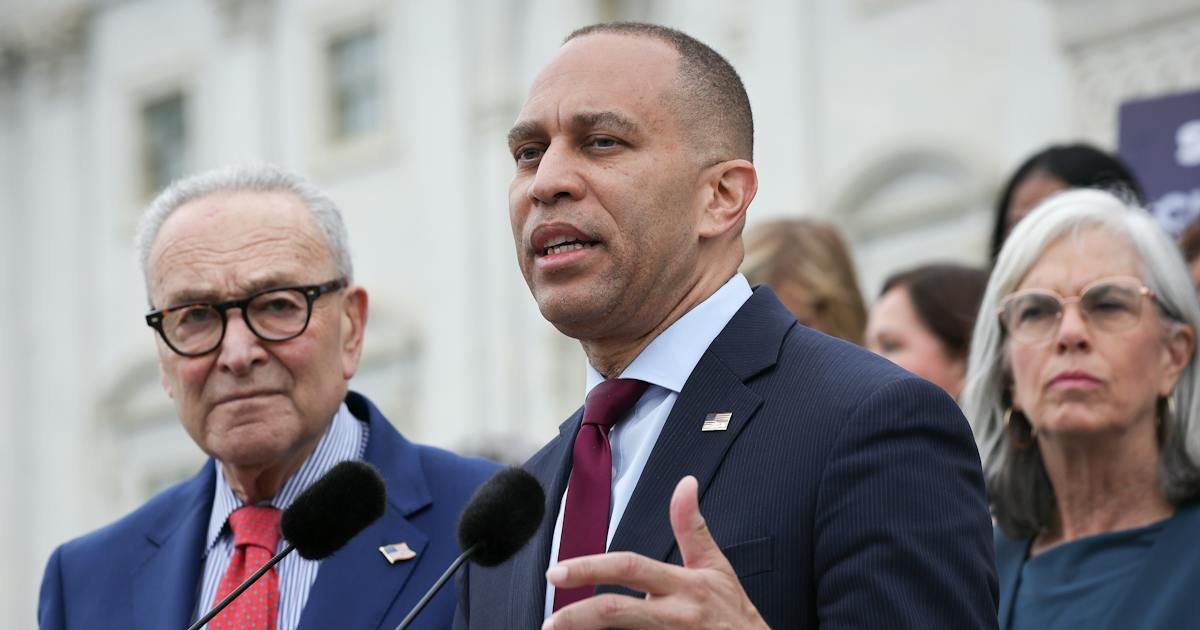
Democratic leadership faces mounting pressure to step down following the party’s midterm election victory, with Senator Chuck Schumer and Representative Hakeem Jeffries emerging as primary targets of internal revolt. Multiple newly elected senators including Peggy Flanagan, James Talarico, and Abdul El-Sayed have called for Schumer’s replacement, while a Change.org petition demanding Jeffries’s removal as House Democratic Leader has surpassed 500,000 signatures. The criticism centers on perceived corporate ties, insufficient accountability measures against the Trump administration, and unwavering support for Israel that contradicts the preferences of Democratic voters.
The backlash intensified after Jeffries stated on Wednesday that Democrats should focus on affordability rather than holding Trump administration officials accountable for alleged crimes and corruption. Party activists and progressive figures immediately challenged this approach, arguing that oversight and accountability are not acts of revenge but essential governance responsibilities. Jeffries’s deep ties to AIPAC and his status as one of the strongest Democratic supporters of Israel have drawn particular scrutiny as grassroots Democrats increasingly oppose additional military aid to Israel following the Palestinian casualties.
The internal Democratic struggle reflects broader questions about party direction and values. Progressive members like newly elected Representative Chris Rabb have already declined to endorse Jeffries’s speakership, citing disagreements on policies like Medicare for All. Meanwhile, AIPAC’s congratulatory statement specifically praising Schumer and Jeffries by name prompted Democratic Socialist Angela Gonzalez-Torres to respond with a single word: “Bye.” This generational and ideological divide suggests the party faces fundamental decisions about whether to pursue aggressive oversight or pursue consensus governance.
Watch for the House Democratic caucus vote on speakership in January, where Jeffries’s potential nomination could face serious challenges from the party’s progressive wing. The outcome will signal whether Democrats prioritize party unity or respond to grassroots demands for new leadership aligned with the party’s evolving base.
Be First to Comment