

The Federal Aviation Administration halted all airline departures nationwide Friday, marking only the second nationwide ground stop since September 11, 2001. Transportation Secretary Sean Duffy announced that the agency had ordered planes to remain on the ground while officials investigated an air traffic control communications problem affecting all Air Route Traffic Control Centers. The extraordinary safety measure came just three days after the FAA expanded its AI-assisted traffic planning system called Strategic Management of Airspace Routing Trajectories, or SMART, to all 22 U.S. Air Route Traffic Control Centers, though officials have not identified the new system as the cause of the outage.
The SMART platform, which cost $875 million to develop, recommends route changes to reduce delays and fuel consumption by having a Washington-based team review findings before recommendations reach air traffic controllers. During its initial deployment in the Washington area, the system rerouted 180 flights and saved an average of 10 minutes and 80 gallons of fuel per flight. However, the rollout has sparked significant concern among lawmakers and aviation unions about whether adequate testing and training occurred before the nationwide expansion. The National Air Traffic Controllers Association revealed it had not participated in the system’s design, testing, or implementation, and House Democrats have requested that the Government Accountability Office examine the rollout’s performance measures and safety protections.
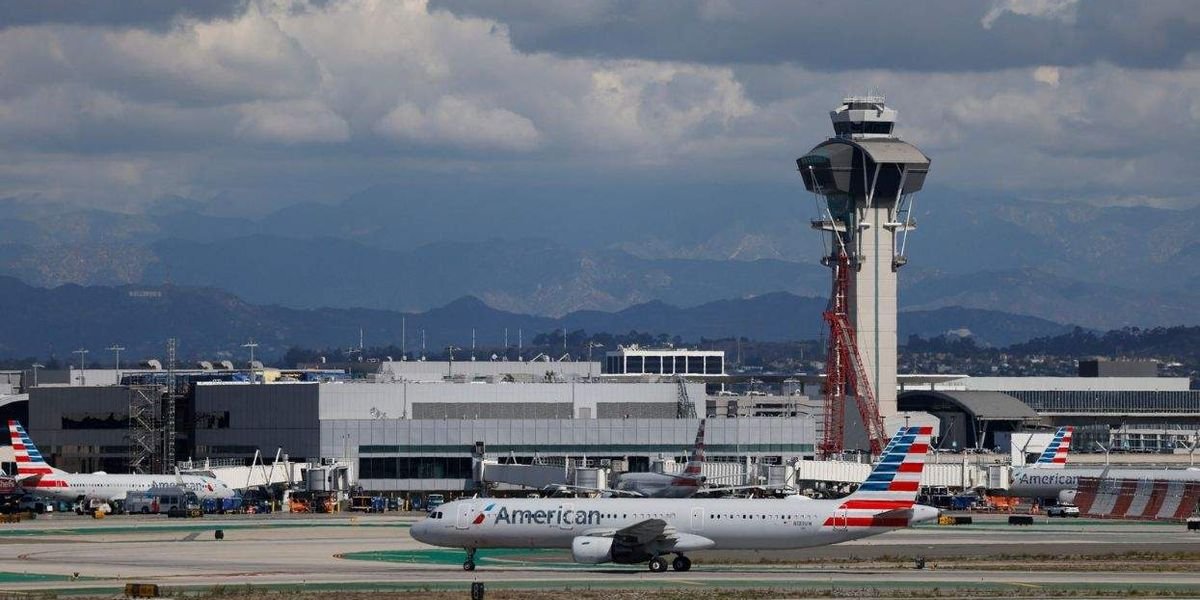
Rep. Robert Garcia, who serves on the House aviation subcommittee and will chair the House Oversight Committee in January, appeared on television urging the administration to explain the failure to the public. He emphasized that grounding this many flights simultaneously causes ripple effects through interconnected airline schedules, leaving passengers and crew members scrambling for answers. At Los Angeles International Airport and across the country, travelers faced uncertainty about whether delays would last hours or require them to deplane entirely, highlighting the real human cost of the disruption and the need for transparency from the FAA, Transportation Department, and White House.
The incident raises urgent questions about how federal agencies implement new technology and whether sufficient safeguards exist to protect aviation safety. Watch closely for congressional hearings on the SMART system’s rollout and whether lawmakers will demand changes to how emerging technologies are deployed across critical infrastructure.
Be First to Comment