

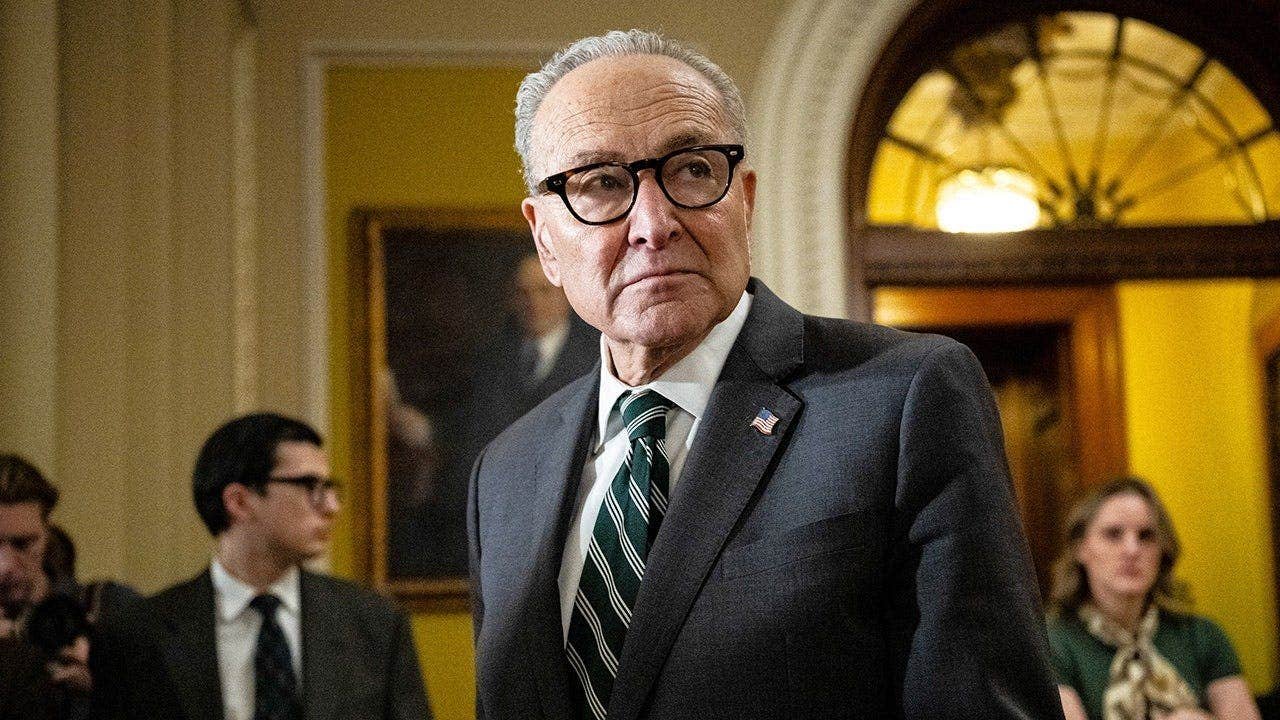
The Senate narrowly averted a government shutdown on Saturday after Senate Minority Leader Chuck Schumer and Senate Democrats agreed to uphold a bipartisan continuing resolution negotiated with Republicans, extending federal funding well into early December. The move came after months of political brinkmanship, with Senate Majority Leader John Thune suggesting that Democrats ultimately backed down due to polling concerns about being blamed for a shutdown ahead of the November elections. Schumer claimed victory by highlighting Democratic concessions on federal grant rule changes within the continuing resolution, framing the agreement as a win for working families and a check on what he characterized as Trump administration overreach.
The shutdown standoff reflects deeper partisan tensions over government funding that have plagued Congress for over a year. Two previous shutdowns lasting 43 and 76 days respectively have left lawmakers eager to avoid another closure, yet fundamental disagreements over spending priorities and policy riders continue to complicate negotiations. Republicans have been messaging aggressively that Democrats would weaponize a shutdown for political gain, even proposing measures to forfeit congressional paychecks in the event of a closure to demonstrate their commitment to avoiding such disruptions.
The political calculus appears to have shifted in Republicans’ favor this cycle. Thune argued that Democrats recognized an uncertain economic environment and government shutdown fears could harm their electoral prospects in the fall, making the decision to compromise strategically sound. Schumer’s framing of the agreement as a Democratic victory masks what many Republicans view as a capitulation, though both sides are claiming vindication in the short term.
The real test lies ahead in the House, where shutdown negotiations continue, and ultimately in the post-election lame duck period when Congress must finalize a full budget. Senator John Kennedy’s blunt assessment that a completed budget by December 11 is unlikely suggests that deeper funding battles remain on the horizon, making this Senate agreement merely a temporary reprieve rather than a lasting solution to Washington’s chronic spending standoffs.
Be First to Comment