

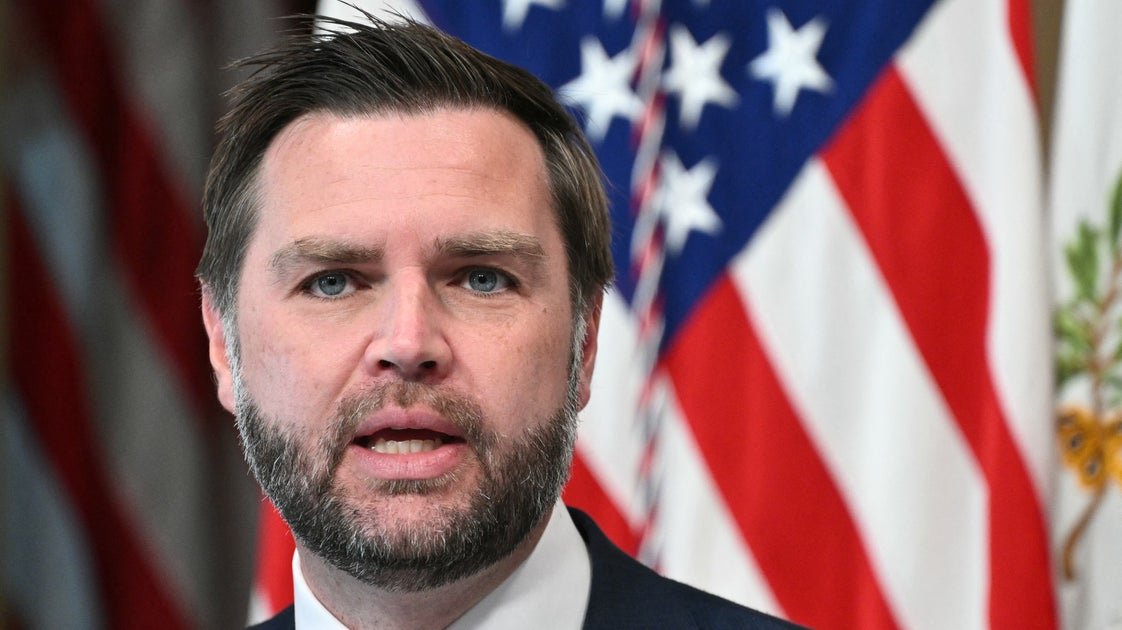
Vice President JD Vance blamed the Biden administration for the record breaking $40 trillion U.S. national debt during a Thursday appearance on Newsmax, claiming the Trump administration has a plan to grow the economy faster than the debt itself. Treasury Secretary Scott Bessent is reportedly developing what Vance called a “very discreet plan” to address the fiscal crisis, with the vice president asserting the administration is “on track” to reverse the trend of debt outpacing American GDP growth. The national debt milestone marks a dramatic acceleration from October 2024, when it hit $38 trillion, underscoring the scale of the fiscal challenge facing policymakers.
The debt has ballooned under multiple presidencies, complicating Vance’s narrative of sole Biden responsibility. According to Reuters data, the U.S. debt increased by $8.4 trillion during Biden’s four-year term, but rose by $11.6 trillion across Trump’s administrations to date. Roughly 30 percent of the current $40 trillion total debt was accumulated during Trump’s presidencies, a fact that immediately undermined the vice president’s messaging on social media and among political observers.
Vance’s comments sparked widespread backlash online, with critics pointing out the hypocrisy of attacking Biden’s fiscal record while the Trump administration itself contributed substantially to the debt explosion. Political commentators from across the spectrum seized on the contradiction, with some highlighting the administration’s own spending priorities and others arguing that partisan finger-pointing has become the primary obstacle to meaningful fiscal reform. The exchange revealed deep frustration with both parties’ inability or unwillingness to address the underlying structural drivers of debt accumulation.
The debate over who bears responsibility for America’s fiscal crisis will likely intensify as the 2026 midterms approach. Watch for how the administration responds to criticism about its own spending record and whether Treasury Secretary Bessent’s plan gains traction with Congress or faces skepticism from fiscal hawks in both parties.
Be First to Comment