

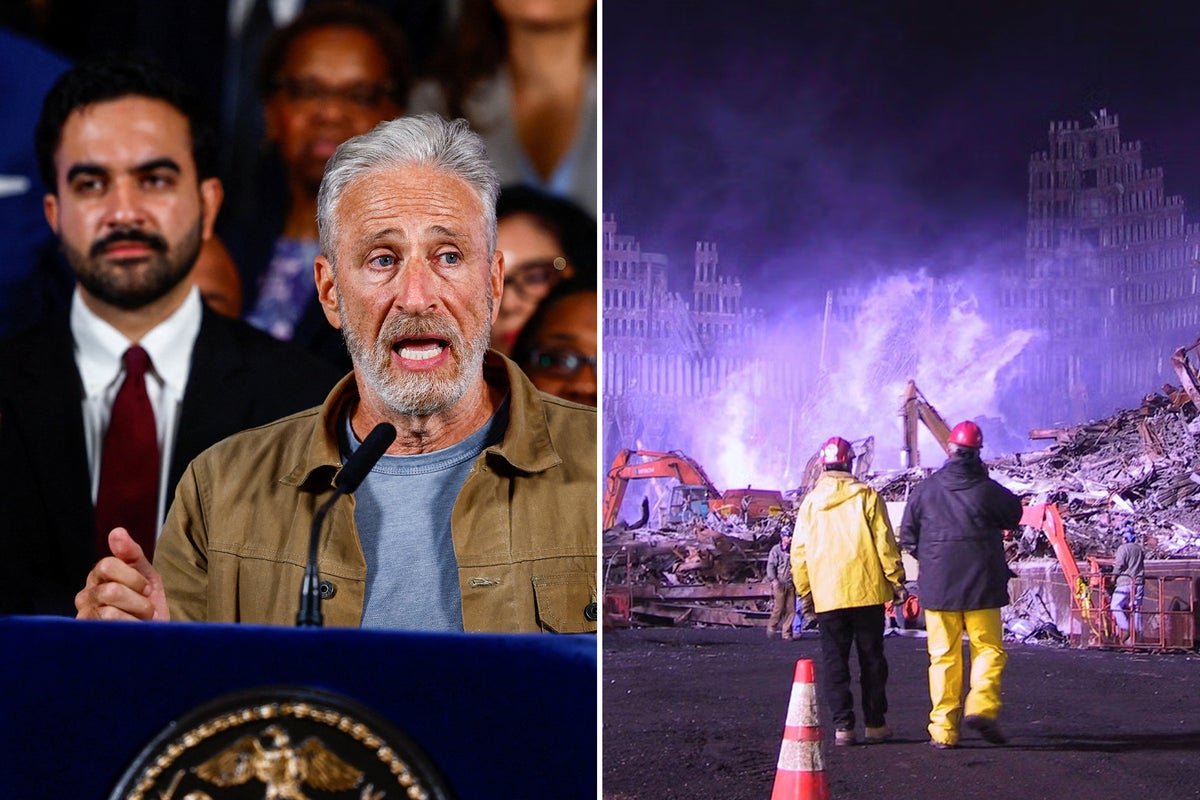
New York City Mayor Zohran Mamdani released over 170,000 pages of internal government records Tuesday revealing that city officials systematically misled the public about air quality and toxic contamination at Ground Zero following the September 11 attacks. The documents, discovered last year in 68 boxes hidden from public view, expose that asbestos levels, benzene, and other carcinogens exceeded hazardous limits throughout lower Manhattan in the days and months after the terrorist attacks. The timing of the release, just days before the 25th anniversary of 9/11, underscores a quarter century of concealment that affected between 410,000 and 525,000 people, including 90,000 rescue and recovery workers who were never properly warned about the dangers they faced.
The suppressed records include the so-called Harding Memo, which shows city officials were already considering legal strategies to limit liability from toxic exposure lawsuits as early as the immediate aftermath of the attacks. Former Mayor Rudolph Giuliani repeatedly assured New Yorkers the air was safe despite acknowledging the odor was “terrible,” while his successor Michael Bloomberg claimed all tests showed acceptable air quality. The city’s own environmental data told a different story entirely, documenting persistent contamination that remained dangerous months after September 11.
The human cost of this deception has proven staggering. More than 44,000 people have been diagnosed with cancers related to 9/11, and over 63,000 have suffered health issues from the toxic aftermath, according to the World Trade Center Health Registry. More 9/11-related deaths have occurred since the attacks than were killed on the day itself, a reality that comedian and activist Jon Stewart emphasized at the press conference alongside Mayor Mamdani. The released records could trigger new lawsuits and strengthen claims for compensation from the federal September 11th Victim Compensation Fund for those who suffered preventable illness.
The city’s Department of Investigations is now examining what officials knew about air quality dangers, when they knew it, and why information was withheld. As the full archive becomes searchable online, with additional documents promised in coming months, expect renewed scrutiny of how government agencies prioritized reputation over public health during a national crisis.
Be First to Comment