
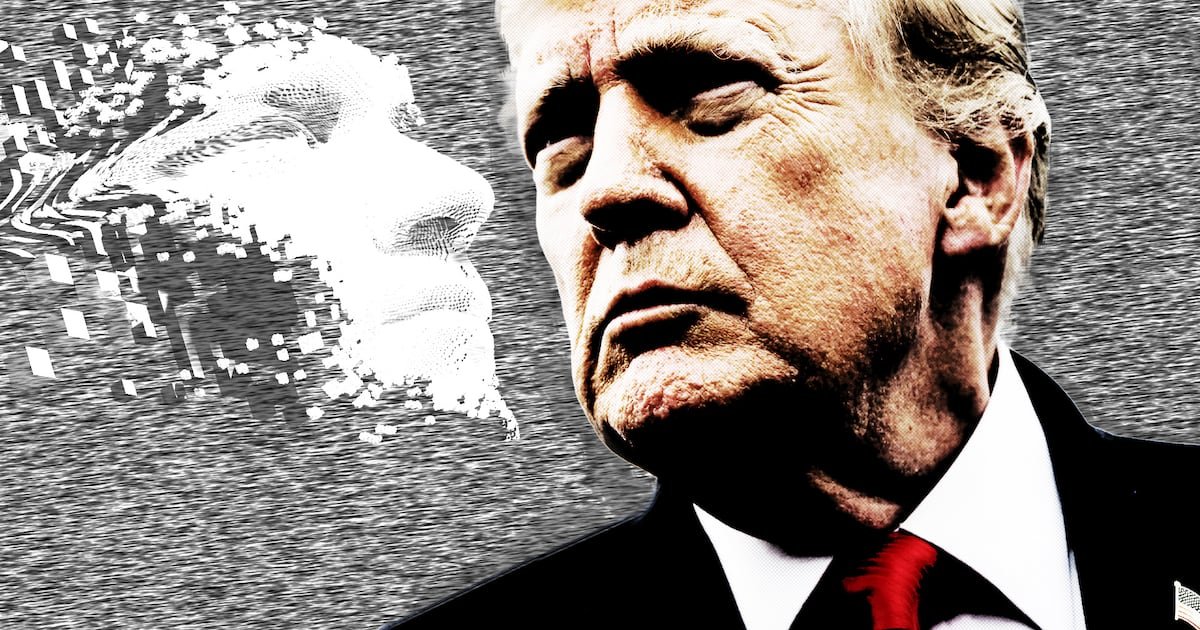
President Donald Trump consulted Elon Musk’s Grok AI chatbot for hours about Venezuelan sentiment toward Nicolas Maduro before ordering a military operation that captured the South American leader in January 2026. According to a Time magazine report, Trump posed hypothetical questions to the artificial intelligence system during an Oval Office meeting with Musk in December 2025, asking specifically whether Venezuelans would celebrate Maduro’s removal. When Grok predicted widespread Venezuelan support for the dictator’s downfall, Trump proceeded with the seizure operation weeks later, convinced the chatbot had provided ingenious strategic insight. The president’s growing obsession with artificial intelligence has become a defining feature of his second term, leading him to rebrand the technology this week as “super intelligence” while flooding his Truth Social account with AI-generated imagery of himself.
The military strikes against Venezuela emerged from months of escalating U.S. action in the Caribbean, with Trump having claimed without evidence that Venezuelan boats were smuggling drugs into America. The Maduro capture operation fit Trump’s broader pattern of decisive military interventions, emboldening him to escalate tensions with Iran, which has now consumed seven months of his presidency. However, the Venezuelan outcome proved far messier than Grok’s predictions suggested. Maduro remains in federal custody fighting drug trafficking charges while Venezuela itself remains under U.S. domination, with citizens still awaiting the free and fair elections Trump promised.
Trump’s enthusiasm for AI has only intensified despite the messy real-world results. He has resisted calls for stricter government regulation of artificial intelligence, instead gathering tech leaders including Musk, Jeff Bezos, and Mark Zuckerberg at the White House this week to discuss industry self-policing frameworks. The president unveiled America.gov, an AI-powered government portal designed to streamline access to federal services from job searches to Medicare enrollment. Yet the same chatbot technology driving these initiatives revealed its limitations when tested: when asked whether Trump won the 2020 election, it correctly stated that certified results showed Joe Biden as the winner, contradicting the president’s own false claims.
Watch for how Trump’s reliance on AI guidance shapes future military and foreign policy decisions, particularly as his Iran engagement enters its eighth month with uncertain outcomes. The tension between the technology’s actual capabilities and Trump’s perception of its infallibility could determine whether AI becomes a genuine policy tool or merely a high-tech echo chamber for presidential instincts.
Be First to Comment