
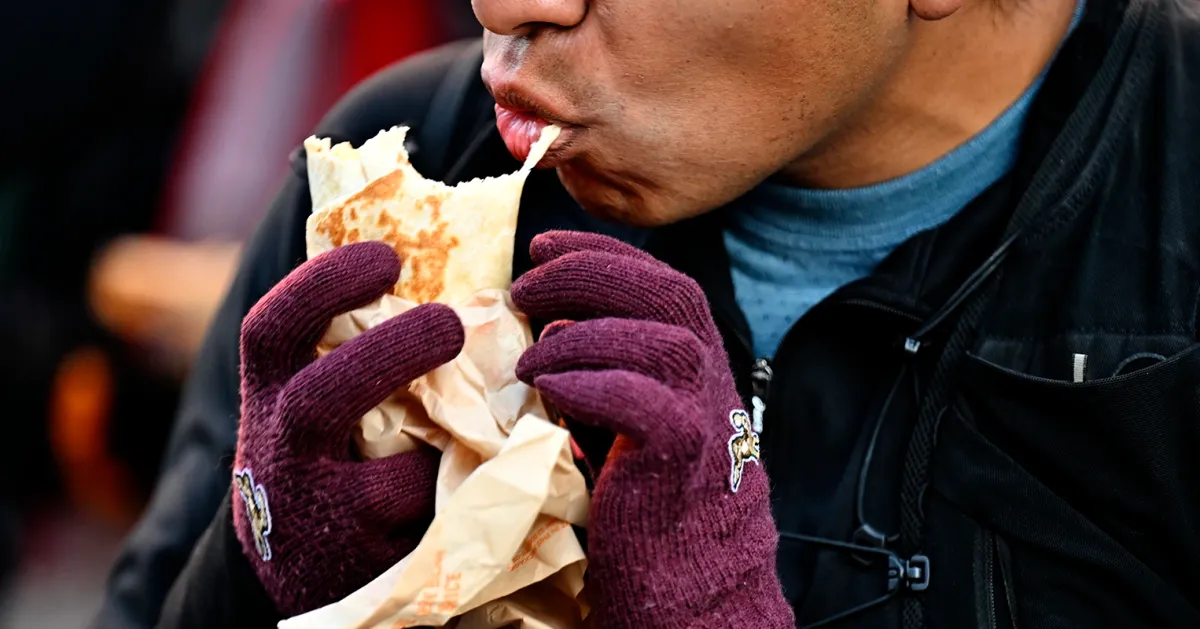
The burrito became an unlikely flashpoint in Republican politics this week when Turning Point USA highlighted a college student’s complaint that Mexican food now costs $20, sparking a fierce debate within conservative circles about inflation and affordability. While some Republicans like Rep. Dan Crenshaw and commentator Ben Shapiro dismissed the concern as laziness, others including Vice President JD Vance and Ron DeSantis aide Christine Pushaw acknowledged that food prices have genuinely spiraled beyond what working families can manage. The disagreement exposed a deeper fracture in how the Trump administration and its allies are responding to an economic reality that most Americans are struggling to ignore.
The tension reflects a year and a half into Trump’s second term where job growth has stalled and inflation remains stubbornly high. July’s jobs report revealed the economy shed 23,000 positions, with May and June figures revised downward by 103,000 jobs combined. Wage growth continues trailing inflation while labor force participation falls. Treasury Secretary Scott Bessent claimed the K-shaped economy is over, yet Gallup and Glassdoor polling show Americans remain deeply pessimistic about their financial prospects. The administration has resisted cracking down on corporate monopolies that dominate markets, allowing airlines, healthcare companies, and other industries to raise prices while corporate profits soar and stock markets hit record highs.
The burrito debate symbolizes a broader political vulnerability for Republicans heading into the election cycle. Voters are asking for financial relief, not lectures about personal responsibility or suggestions to eat ramen. The contrast between struggling families unable to afford groceries and wealthy elites purchasing $100 caviar-stuffed hot dogs at Miami sporting events underscores the widening wealth gap. Dismissing legitimate concerns about cost of living as whining risks alienating the very voters Republicans need to maintain power.
Watch for how this economic messaging battle plays out in coming weeks. If Republicans continue denying the affordability crisis while Democrats hammer the issue, it could reshape the political landscape heading into the next election cycle. The humble burrito may seem trivial, but it represents something far more consequential: whether the party in power can acknowledge the struggles of ordinary Americans or will remain tone deaf to their concerns.

Be First to Comment