
# Dolly Parton’s Imagination Library Faces Uncertain Future as States Cut Funding
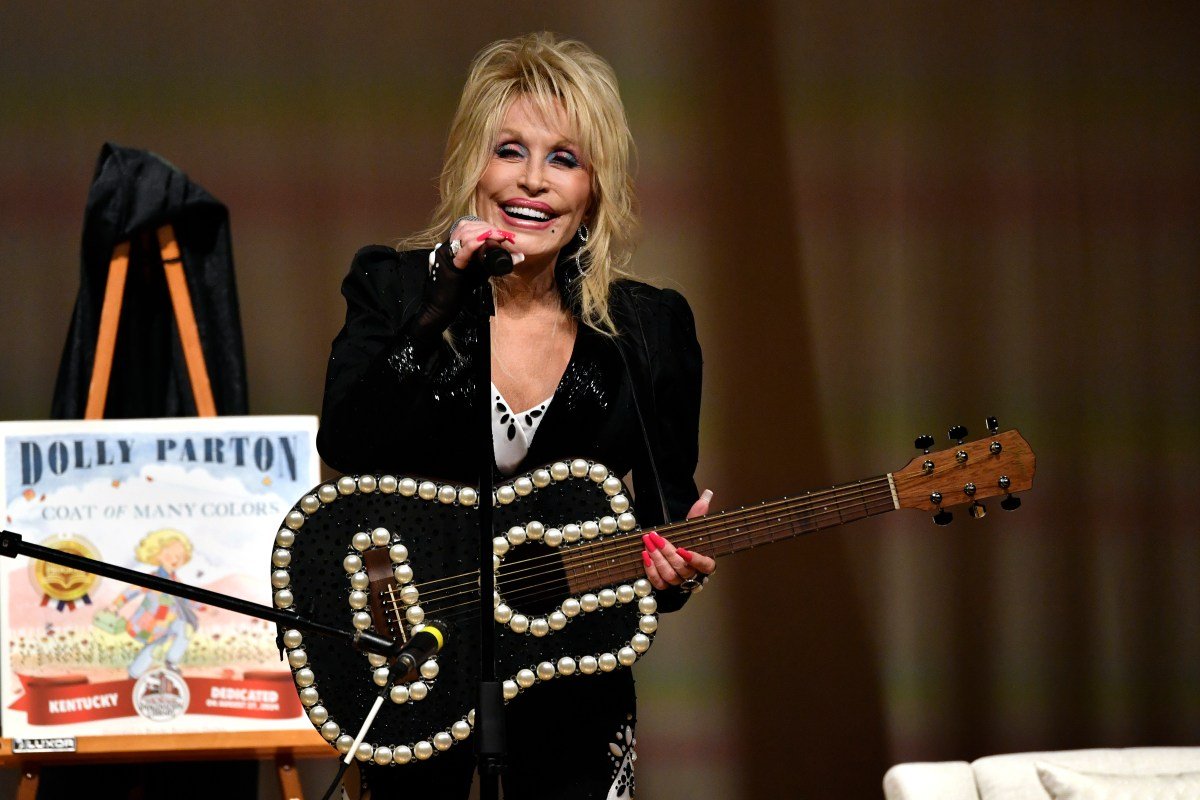
Following the passing of country music icon Dolly Parton, her beloved Imagination Library announced its commitment to continuing its mission of sending free books to children under 5 across the United States and internationally. However, the program’s future has grown increasingly precarious in Indiana, Missouri, Washington, and Maine, where state lawmakers have slashed or eliminated public funding over the past year. Since its founding in 1995, the nonprofit initiative has distributed over 300 million books to more than 3 million registered children, making it one of America’s most successful early literacy programs. The funding cuts represent a significant challenge to an organization that has become synonymous with Parton’s philanthropic legacy.
The budget reductions stem from competing fiscal priorities among state legislatures. Indiana removed state funding entirely last year as lawmakers prioritized a larger property-tax reduction package, eliminating the $6 million two-year matching allocation that had previously supported over 125,000 enrolled children. Missouri similarly slashed funding from $6 million to $2 million for the upcoming fiscal year, effectively freezing new enrollment as of July 1, while Washington declined to include expansion funding in its 2025-2027 budget despite prior commitments. Maine’s program ended entirely in June due to loss of state support. Kentucky came closest to making similar cuts when lawmakers proposed reducing the state’s contribution from 50 percent to 33 percent, but ultimately preserved full funding after program leaders warned that such reductions would force most local affiliates to close.
The consequences of these cuts extend directly to vulnerable populations. In Indiana, first lady Maureen Braun launched a private fundraising campaign to replace lost state funding and reached 90 percent of her two-year goal by March. Missouri delivered 1.9 million books to children last year under full state funding, demonstrating the program’s capacity when properly supported. In Washington, over 121,000 enrolled children now rely solely on private donations after two foundations stepped in to fill the gap. Maine’s United Way nonprofit, which covered half the program’s costs, pivoted to partnering with local hospitals and Neighborhood Books to send free books to newborns instead. Thousands of children born after funding cuts took effect have lost access entirely.
Watch for whether private philanthropic efforts can sustain the program long-term in states that have withdrawn support, and whether Parton’s recent passing might prompt renewed legislative action to restore public funding in these states.
Be First to Comment