

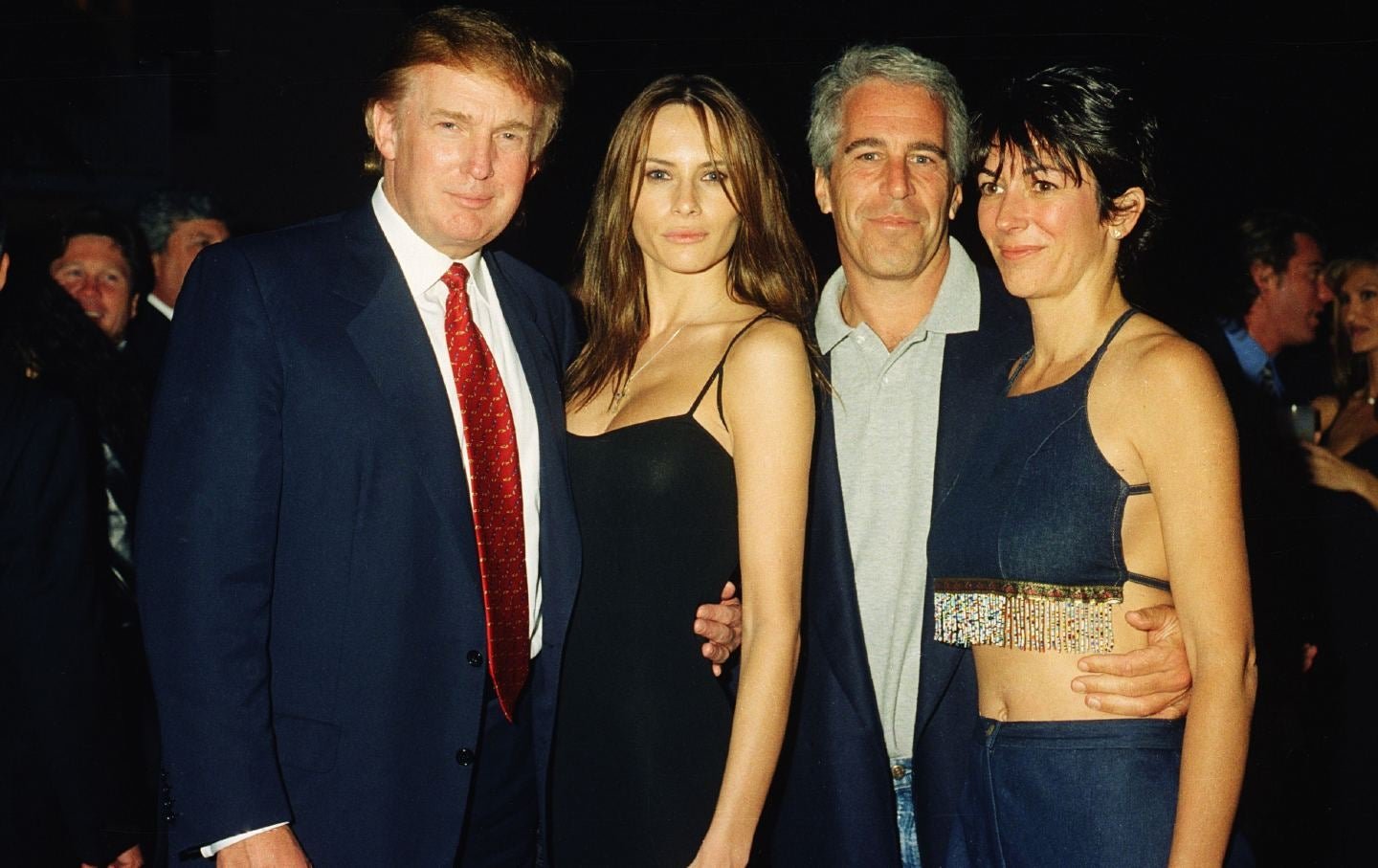
The House Judiciary Committee has issued a report detailing allegations that President Donald Trump sexually assaulted and raped multiple women, including at least two who were minors, in connection with convicted sex trafficker Jeffrey Epstein. Among the five women who provided evidence or testimony are Beatrice Keul, a former Miss Switzerland who alleges Trump raped her at the Plaza Hotel in 1993; Stacey Williams, who claims Trump groped her at Trump Tower while Epstein stood nearby; and an unnamed woman identified as “Katie Johnson” who alleges Trump and Epstein repeatedly raped her when she was just 13 years old in 1994. Despite the gravity of these allegations against the sitting president, mainstream media outlets have largely overlooked the report while fixating on former President Barack Obama’s quip about the White House resembling a dictator’s version of a Cheesecake Factory.
The allegations emerge from an ongoing Democratic investigation into Trump’s ties to Epstein, one of history’s most infamous sex traffickers. Trump’s history of sexual misconduct accusations spans decades, with previous allegations having become so commonplace in public discourse that many observers argue they no longer move political opinion. Critics of media coverage argue this normalization represents a fundamental failure of journalism, as credible rape allegations against a sitting president should constitute urgent public interest news regardless of whether they shift voter behavior or dominate political conversation.
The contrast between media attention to Obama’s rhetorical jab and the serious criminal allegations against Trump highlights a troubling disparity in editorial judgment. Supporters of robust coverage contend that the press bears responsibility for illuminating matters of genuine public concern rather than allowing audience indifference to dictate newsworthiness. The question of whether Trump’s alleged pattern of sexual violence warrants sustained media scrutiny remains contentious, particularly as the nation heads into midterm elections where trust in institutions and electoral integrity has already eroded significantly.
As Election Day approaches, observers should monitor whether these allegations gain traction in political discourse or continue to fade beneath other narratives. The broader implications extend beyond Trump himself, touching on how democratic institutions handle credible accusations against sitting leaders and whether media gatekeepers can restore public confidence in their editorial priorities.


Be First to Comment