
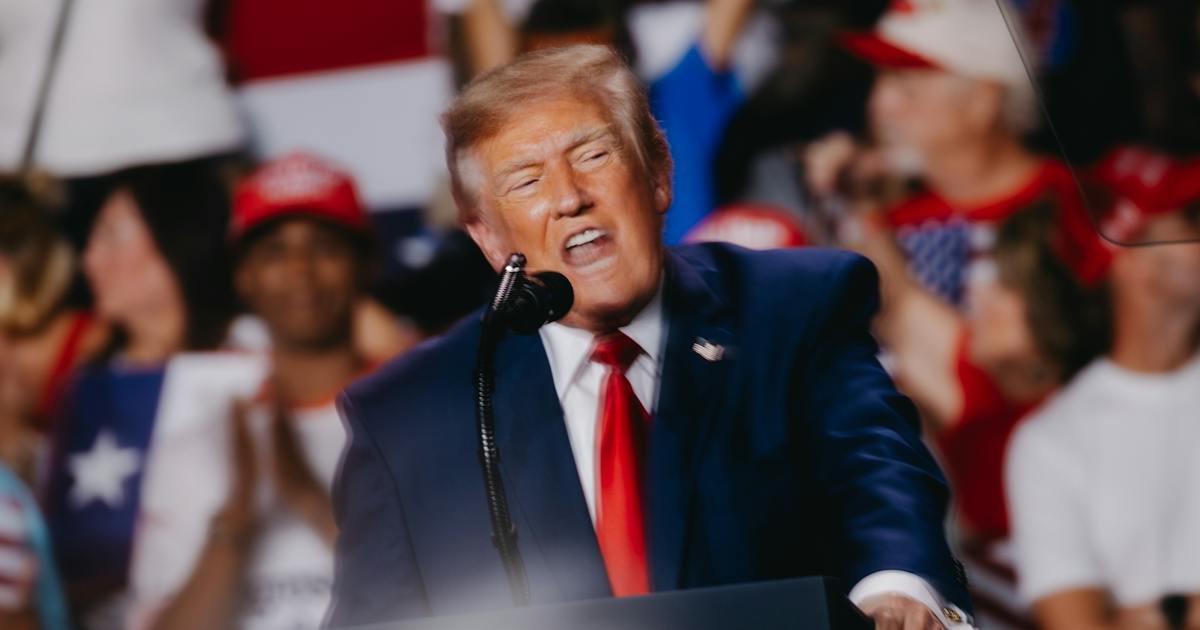
Donald Trump’s San Antonio rally Wednesday night exposed a troubling pattern: the president expects political loyalty in exchange for presidential pardons. When Texas Representative Henry Cuellar failed to switch parties after receiving a pardon for bribery and money laundering charges related to his ties to Azerbaijan, Trump publicly attacked him as ungrateful and disloyal. Trump initially denied making quid pro quo deals, then immediately contradicted himself by speculating that Cuellar might have run as a Republican or at least abandoned his reelection bid out of gratitude. The contradiction laid bare how Trump views clemency not as an act of mercy but as a transactional tool to reshape the political landscape.
The Cuellar pardon case reflects broader ethical concerns about Trump’s use of presidential power. Cuellar and his wife faced federal charges after an FBI raid uncovered allegations they accepted $600,000 in bribes from Azerbaijan. Trump framed the prosecution as weaponized by the Biden administration, but his subsequent expectation that Cuellar would repay the favor with party switching suggests the pardon served Trump’s political interests rather than justice. This transactional approach to clemency raises questions about whether other recent pardons came with similar unstated expectations.
Trump’s rally also featured inflammatory rhetoric about Iran striking American cities, which he used to deflect blame for high gas prices. When critics accused him of inviting Iranian attacks on Los Angeles and San Diego, the White House insisted his comments were merely warnings about what could happen without U.S. intervention. Yet Trump repeated the claim days earlier in Nebraska, suggesting he deliberately uses apocalyptic imagery of California cities under attack to energize red state crowds.
The week revealed multiple troubling developments beyond the Cuellar situation: Kimberly Guilfoyle allegedly solicited six-figure payments from donors while undergoing confirmation as ambassador to Greece, Tina Peters met with Trump to discuss seizing ballots nationwide, and the administration spent over $12 million in taxpayer funds on pro-Trump propaganda ads before facing a Democratic National Committee lawsuit. These stories collectively paint a picture of an administration willing to blur ethical and legal lines as the 2026 midterm elections approach.
Be First to Comment