

Last updated on September 9, 2026
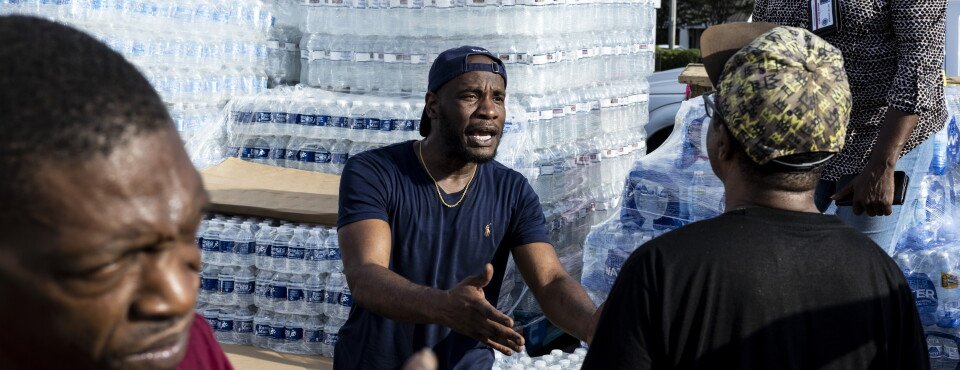
The Fifth Circuit Court of Appeals ruled that the U.S. Constitution does not guarantee a right to clean drinking water or accurate information from public officials, upholding the dismissal of a lawsuit filed by Jackson, Mississippi residents over alleged lead contaminated drinking water. In a sweeping decision authored by Trump appointee Judge Kurt Engelhardt, the full appeals court found that Jackson residents failed to establish a violation of constitutional due process rights, reasoning that the Constitution does not provide remedies for every governmental wrongdoing. The majority opinion, joined by nine Republican-appointed judges, rejected claims that city officials deliberately allowed lead to contaminate the water supply, causing harm to residents who consumed it.
Engelhardt’s decision hinged on a narrow interpretation of constitutional protections. The judge acknowledged that while the Supreme Court has recognized certain due process rights related to bodily integrity in contexts like sexual assault or forced medication, he distinguished the Jackson water crisis as a case of municipal mismanagement rather than direct governmental intrusion. Even if residents had proven a due process violation, Engelhardt argued, city officials would still receive qualified immunity because no clearly established constitutional right was violated at the time of the alleged harm. This reasoning effectively closed off one legal pathway for residents seeking accountability.
The decision sparked sharp disagreement among the court’s members. Judge Catharina Haynes, a George W. Bush appointee, authored a dissenting opinion joined by four liberal judges, arguing that the residents’ factual allegations mirror the catastrophic Flint water crisis and deserve to proceed through discovery. Haynes criticized the majority for ignoring the residents’ state-created danger claim, a legal theory that would hold public entities liable for increasing residents’ risk of harm. She noted that the Fifth Circuit has uniquely avoided adopting or definitively rejecting this doctrine for decades, leaving a significant gap in constitutional protections for public health emergencies.
The ruling carries implications far beyond Jackson. Parents whose children died in last year’s deadly floods at Camp Mystic in Texas had urged the court to recognize the state-created danger theory, signaling that future public health and safety cases may hinge on how appellate courts interpret governmental liability. Watch for whether the Supreme Court takes up these questions or whether Congress moves to establish statutory protections for drinking water access and public disclosure requirements.
Be First to Comment