

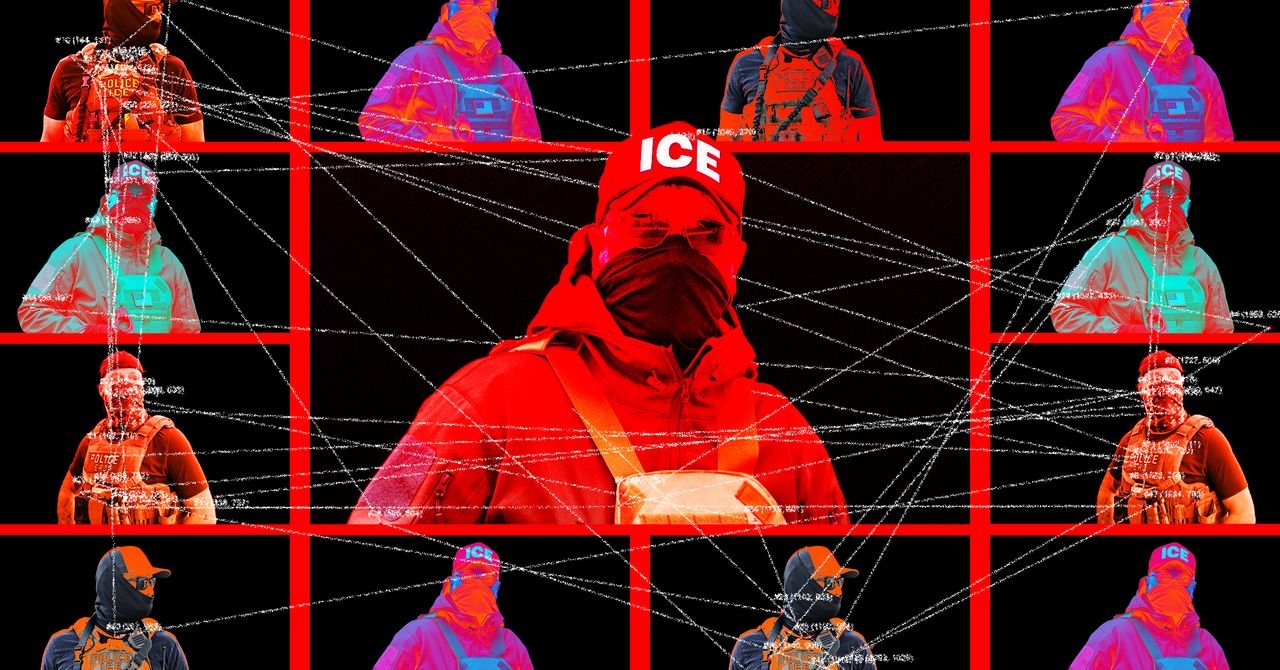
A massive breach of Department of Homeland Security records has exposed sensitive information on more than 41,000 DHS employees and contractors across Immigration and Customs Enforcement, US Customs and Border Protection, and six other component agencies. The leaked data, released Wednesday by transparency nonprofit Distributed Denial of Secrets under the name “Icepick,” includes email addresses, phone numbers, office locations, and references to classified surveillance programs, undercover operations, and internal systems. The records, obtained by a group calling itself the Department of Peace and sourced from DHS’s Okta login system, provide a comprehensive organizational map of how the department functions and who operates its most sensitive programs.
The leak arrives amid an intensifying confrontation between DHS and its critics. Since Trump’s second administration began, the agency has aggressively pursued anonymous social media users, sought customer records on protesters, and expanded its definition of “doxing” to criminalize the publication of basic employment information about federal workers. The records reveal access permissions to surveillance tools including Palantir’s Falcon platform, wiretap programs, and AI systems like xAI’s Grok, along with details about undercover operations targeting protest groups in Minneapolis and other cities. Senior DHS leadership, including former DHS head Kristi Noem and other Trump administration officials, appear in permission groups with exceptions to the department’s web filter.
National security experts warn the breach represents an extraordinary counterintelligence vulnerability. The dataset identifies undercover operatives, reveals reporting structures across the agency, and lists thousands of newly hired ICE enforcement officers hired under Trump’s One Big Beautiful Bill Act. When combined with previously compromised information and commercial data, adversaries could spend months exploiting these relationships to identify vulnerable personnel, develop convincing impersonation attempts, or compromise ongoing investigations. The Trump administration has prosecuted and warned protesters for sharing far less detailed information about individual immigration officers, yet the creators of Icepick frame the leak as an accountability tool against an agency they describe as lacking transparency.
Watch for how DHS responds to this unprecedented exposure of its operational structure and personnel. The agency faces mounting pressure to explain how the breach occurred, what protective measures it will implement, and whether it will continue prosecuting citizens for sharing basic employment information while its own security infrastructure remains compromised.


Be First to Comment