

Last updated on September 9, 2026
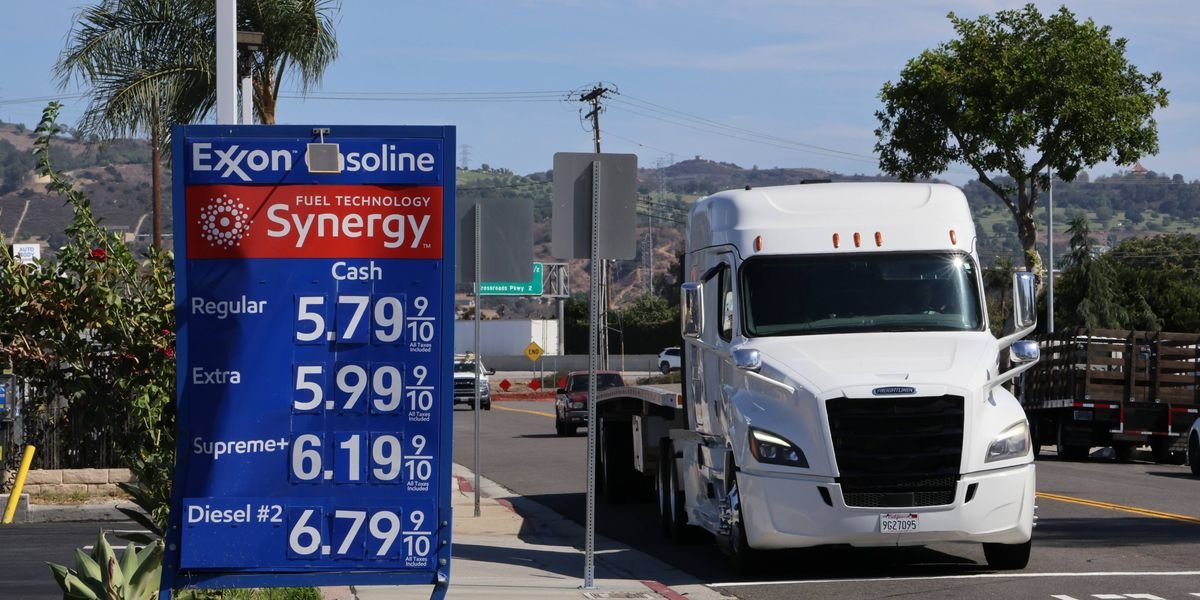
Diesel fuel in the United States reached an unprecedented average price of $5.85 per gallon on Friday, marking a historic spike driven by the Trump administration’s military conflict with Iran and the resulting disruption of global energy markets. The price surge extends to regular gasoline, which averaged just under $4.15 nationally, representing a 40 percent increase since the US and Israel began bombing Iran in late February. That Middle Eastern retaliation included closing the Strait of Hormuz, a critical chokepoint for global oil trade that has sent shockwaves through transportation and supply chains across America.
The escalating fuel costs carry immediate political consequences as Labor Day weekend travelers face the highest gas prices ever recorded for this holiday period. Because diesel powers freight and delivery networks nationwide, the spike translates directly into higher transportation costs for everyday goods that working families depend on. The American Automobile Association confirmed that the national average has never exceeded $4 per gallon on Labor Day before this year, breaking the previous record of $3.82 set in September 2012.
Democrats have seized on the issue as a vulnerability for Republicans heading into the midterm elections, with Democratic National Committee officials arguing that Trump’s agenda has made everything from gas to groceries unaffordable for working families. The Trump administration has responded dismissively to criticism, with Vice President JD Vance suggesting Americans should be grateful prices aren’t higher and claiming administration efforts have helped reopen the Strait. However, critics and marine analytics firms dispute these claims, with data showing only a handful of vessels crossing the waterway daily rather than the robust traffic the White House describes.
Watch for how fuel prices evolve in the coming weeks and whether the administration adjusts its Iran policy in response to domestic political pressure. The sustainability of current gas prices and their impact on consumer confidence will likely dominate campaign messaging through the midterm elections.

Be First to Comment